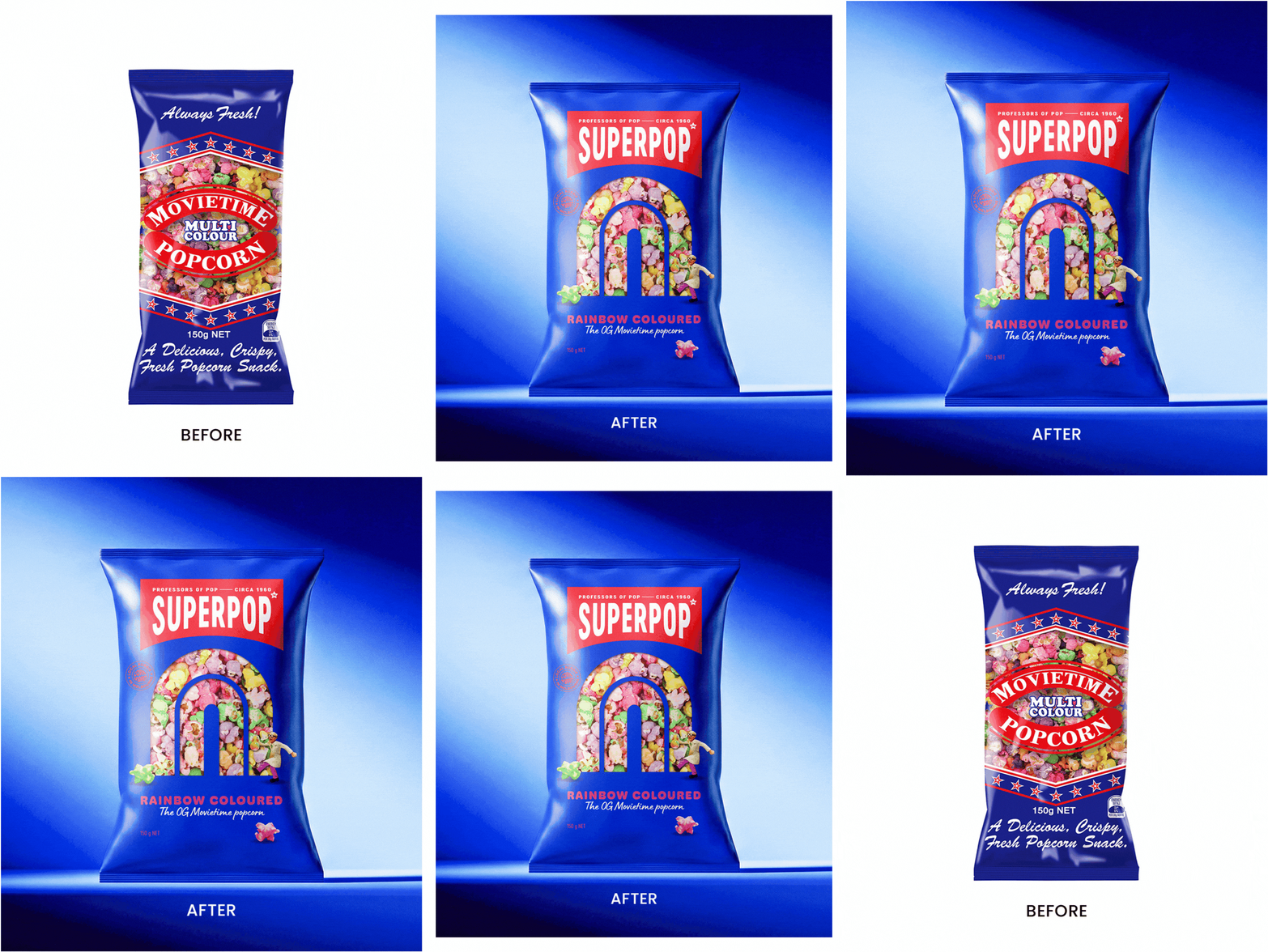
Movietime had a paradox most brands would envy on paper. A genuine market leader supplying popcorn to cinemas across Australia for decades, with reach so deep that virtually any Australian who's ever bought popcorn at the movies has already tasted the product. By any supply measure, this was a dominant business.
But dominance in the supply chain doesn't translate to brand equity on shelf. When consumers walked into a supermarket, Movietime was easy to walk past. One product carried the weight of recognition - the original rainbow popcorn- while the rest of the range felt fragmented and dated. Innovation was happening in the factory, but it wasn't registering with shoppers. The brand had become invisible at the very moment it needed to compete.
This is one of the most common and most costly problems in FMCG: a business that has built genuine category scale behind the scenes but never translated that authority into a retail brand consumers choose with confidence.
Research sharpened the brief. Awareness was low, but the category appetite for something new was high. Shoppers weren't reaching for nostalgia, they were looking for excitement, flavour experimentation, and a brand with a genuine point of view. That combination — low brand equity but high consumer permission — created a rare strategic window. Rather than trying to rescue and repair a brand that had drifted, the right move was a purposeful reset.
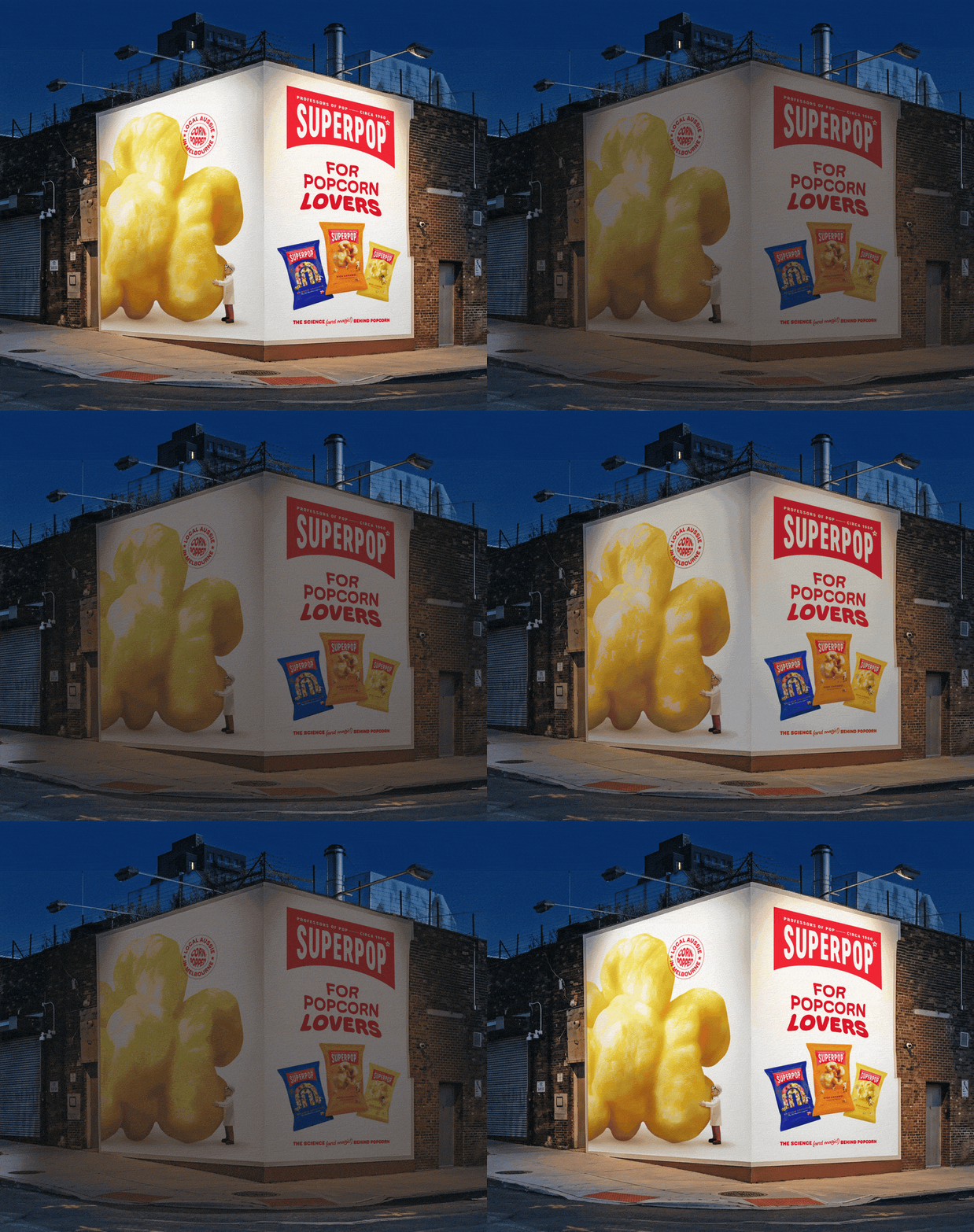
The answer was Superpop. A brand built around curiosity, experimentation, and an unapologetic love of the product, repositioning popcorn from passive cinema habit to expressive everyday snack. The visual identity, naming, and range architecture were all built to make innovation visible and to give the range a coherent, ownable character on shelf.
The result is a brand that now reflects what the business has always been capable of producing.
What was once a quiet force behind the scenes is now a category disruptor consumers can actually see.
If your brand's retail presence doesn't reflect the scale of what you've built, that gap is costing you. We'd be glad to talk through what a strategic reset might look like for your category.